CAMPING WITH ALLERGIES AND ASTHMA TIPS


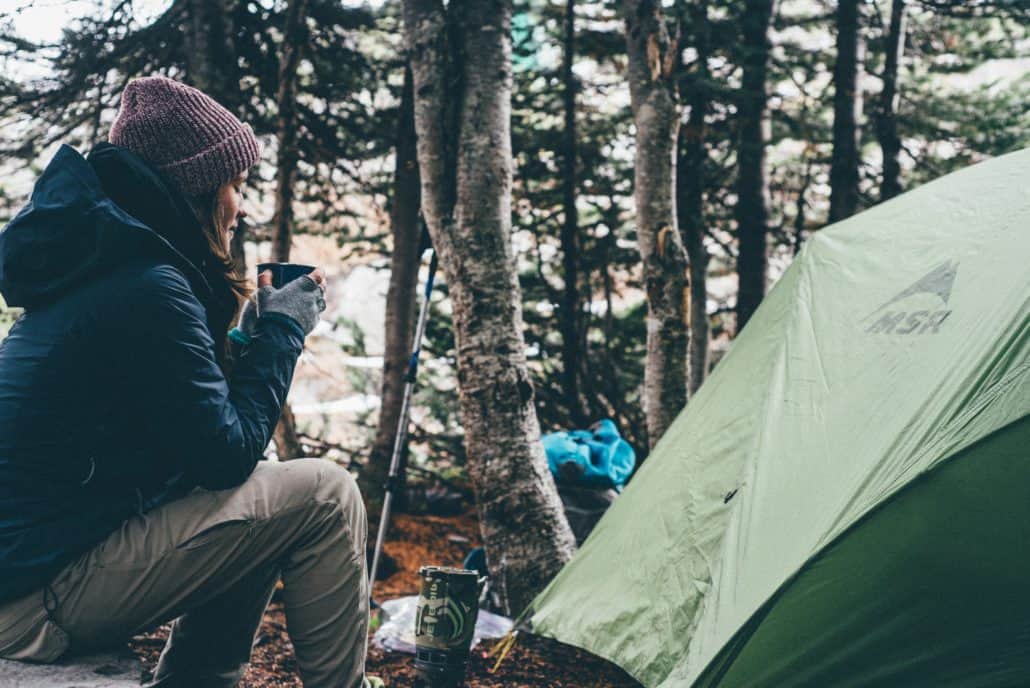
Photo courtesy of Lukasz Szmigiel via Unsplash
For anyone who suffers from allergies, asthma, hay fever, or eczema, enjoying the outdoors can come at an extra cost of itchy skin and eyes and lots of sneezing.
With these tips, you can hopefully have a much easier time breathing on your next camping trip, which leaves more time for fun and adventure!
Keep Your Canvas Tent Free of Allergens
Once allergens are introduced into your canvas tent, it can be difficult to get them out. The key is to avoid bringing them in to start with.
Tracking them in is part of the issue, so consistently taking off your shoes or boots before entering is one way to bring less dust or other irritants into your sleeping area. If you don’t want to leave them outside, have a designated area to take them off and keep them (we have some ideas for how to keep your tent organized here).
Of course, your outerwear could also be bringing in dust or pollen, so it’s a good idea to consider taking those off before entering.
Sound sleep is easier in an environment without irritants, and good sleep means you can wake up ready to take on whatever you have planned for your day in the outdoors. But, then you have to consider how to tackle the allergens in the air.
Consider That Your Pets Also Carry Allergens
Even if you’re not allergic to dogs—or even if your pooch is hypoallergenic—pets can carry allergens after a day out hunting or hiking.
Before letting them back in your Elk Mountain canvas tent, wipe down paws and fur with a clean cloth. Or, if you want to get fancy, you can purchase a portable paw washer to get their paws extra clean and free of any pollen or dirt.
Preventative Allergy Medicine Is Key

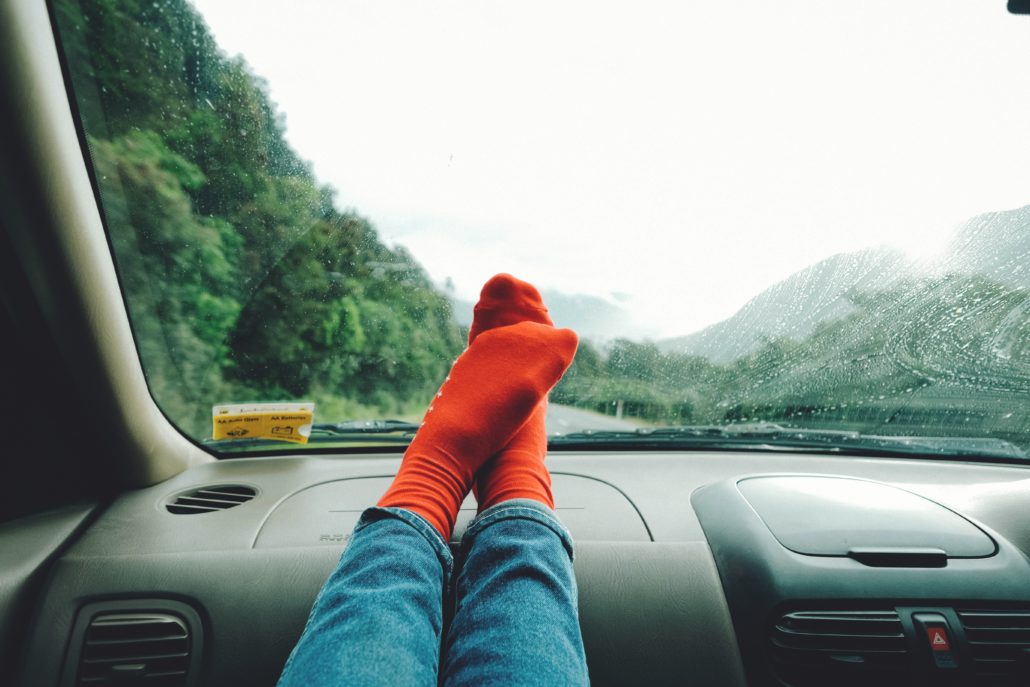
Photo courtesy of Thought Catalog via Unsplash
While we advise taking along Benadryl for unexpected issues in our first aid packing guide, you’ll definitely want to pack some non-drowsy allergy relief, too.
It’s best to take 24-hour relief at the start of the day, before allergens begin affecting you. If symptoms have already started, some eye drops and nasal spray are ideal to ease discomfort while the allergy medicine kicks in.
Prepare for Extreme Temperatures and Humidity Levels
Dry weather can make your allergy or asthma symptoms even more miserable, as dry air can irritate your throat and nasal passages. One easy fix is to use a humidifier when sleeping. Rather than bringing a bulky home model, carry a portable humidifier like this one for your tent.
Cold air also exacerbates breathing difficulties for some asthma sufferers. You can make sure your canvas tent stays warm with these cold weather camping tips.
Humidity can make you feel hotter, but it also can make breathing more difficult. Portable dehumidifiers that double as air purifiers can help make the air more breathable inside your tent. While these tend to be pricier than humidifiers, they can make a big difference for allergy sufferers in small spaces.