Different Types of Tents and Canvas Tents

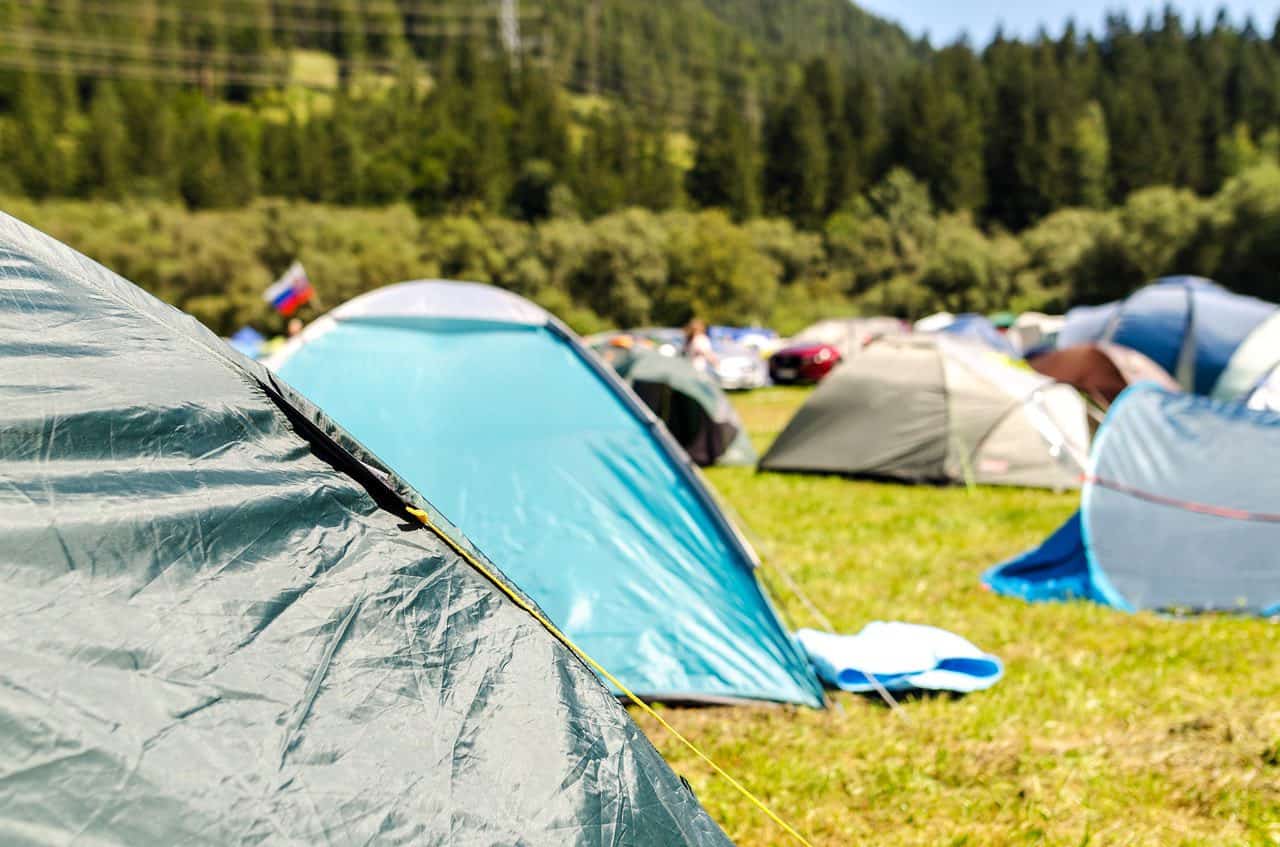

Photo courtesy of Elk Mountain Tents
Looking to buy a new tent? Congratulations! There are so many excellent tents on the market, it can be hard to pick which one to get. It all depends on what you are looking to get out of your camping experience. Are you planning on using it for summer campouts with a group? Do you want something simple that you can easily take on a hunting trip? Are you hoping for something warm to make winter camping more comfortable? There is a lot to consider when purchasing a new tent, and there are hundreds of different options, so hopefully, we can break down which tent would best help with your individual needs.
Wall Tents
Going on a camping trip with a group can be extremely fun if you plan correctly and comfortably. A wall tent is a great option for this purpose. Depending on the size of the tent, you should be able to comfortably fit around 6–10 people inside. As you look around, you will notice plenty of high-quality wall tents, but Elk Mountain Tents is home to some of the best that are both reasonably priced and durable.
Elk Mountain has three different size options available for their canvas wall tents: 13×13, 13×16, and 13×20. The 13×13 tent has four built-in windows, while the 13×16 and 13×20 have six. The polyester material these tents are made from outperforms cotton canvas in strength and tear resistance. Polyester canvas is also immune to mildew and rot since it’s a synthetic material. Although it’s heavier than thin nylon, it’s lighter than cotton canvas and naturally water-resistant, often eliminating the need for a rainfly.
What makes these wall tents especially valuable is their ability to stay warm in the winter. Each Elk Mountain wall tent includes a built-in stove jack with multiple cutout sizes for various wood stoves. You can usually find stoves ranging from $150–$300, from lightweight backpacking models to heavy-duty, all-night heaters.

Photo courtesy of Elk Mountain Tents
Dome Tents
The most common tents you’ll see outdoors are dome tents. Their shape helps water roll off easily when it rains. Dome tents are also lightweight, simple to set up (usually with just two crossing poles), and easy to transport. These qualities make them perfect for quick campouts and hunting trips. Despite being compact, dome tents offer surprising headroom thanks to their high center point. Many also include a vestibule near the door for gear storage and to keep dirt out of the sleeping area.
However, dome tents are generally small—best for one or two people—and can be unstable in strong winds when unoccupied. Tunnel tents share some similarities but are roomier, using multiple arched poles to create a wider structure. They offer good stability and ceiling height while remaining lightweight, though they can be trickier to pitch and less wind-resistant.
Another variation is the geodesic tent. These use multiple intersecting poles that form triangles, giving them excellent stability in harsh weather. They’re ideal for mountaineering or stormy conditions but tend to be heavier and bulkier when packed.

Photo courtesy of Elk Mountain Tents
A-Frame Tents
Though less common today, A-frame tents (or wedge tents) are still a reliable option. They use two steel poles at each end to form an “A” shape, with ropes staked down for support. A-frame tents are simple, stable, and long-lasting—steel poles can endure for years. They come in various sizes, so you can find one to suit any group. The downsides are their limited headroom and heavier weight, so they’re best suited for drive-in campsites rather than backpacking.
Pop-Up Tents
If you dread setting up a tent or want to maximize your fun time, consider a pop-up tent. These feature spring-loaded poles that automatically expand into shape, making setup nearly instant. They’re lightweight, portable, and great for spontaneous trips. Pop-up tents are compact for storage and don’t require separate poles. However, they’re not designed for long-term use or rough weather. They’re perfect for overnight summer trips in fair conditions.

Photo courtesy of Elk Mountain Tents
Backpacking is another popular way to experience the outdoors, but it requires cutting down on weight. A backpacking tent is compact, lightweight, and durable enough for all weather. They typically fit one or two people and pack smaller than almost any other tent type. While pricier, their quality materials ensure durability. The main drawbacks are their limited capacity and headroom. For solo or small-group trips, they’re unbeatable for portability.
Final Thoughts
Hopefully, this guide has helped you determine which tent best suits your needs. If you’re heading out solo for a backpacking trip, a backpacking tent is ideal. For large group campouts or winter adventures, a wall tent might be perfect. With so many designs available today, you’re sure to find a tent that matches your style, comfort, and adventure goals.
Sources: https://arborexplorer.com/types-of-tents/#1_Dome_Tent